Synthetic sapphire crystals are very important today. They are core materials for LEDs and high-end optics. So, how to produce sapphire? The industry recognizes the Kyropoulos method as the best approach. People usually call it the KY method. We will explain this process in detail. We will also show the differences between the traditional KY method and the new KY method.
What is the KY Method?
The KY method is a bottom-up growth technique for high-purity sapphire crystals. A seed crystal first touches the melted alumina raw material. Then the transparent sapphire crystal slowly grows from the center.
There are other common ways to grow crystals. Examples include the Czochralski method or the Heat Exchange Method. The Czochralski method is fast. However, this process creates high thermal stress. The Heat Exchange Method is better for making very large crystal blocks. The KY method is much better than these methods. Its temperature gradient is very small. The whole growth process is very stable. This creates transparent sapphire crystals with very few internal defects.
Why Sapphire Wafers Must Use the KY Method
High-end sapphire wafers must rely on the KY method for production. Epitaxial applications have very strict requirements for substrates. Wafers will face extremely high temperatures during subsequent processing. Even tiny defects can cause the sapphire wafer to break. High internal stress is also very fatal. The KY method brings extremely low defect density. It provides impeccable structural integrity. This greatly improves the yield of epitaxial growth. This is why the KY method is the highest industry standard.
Core Comparison: Traditional KY Method vs New KY Method
We can see two different KY methods in the market today. This helps meet different levels of market demand. The main difference lies in the hot zone materials.
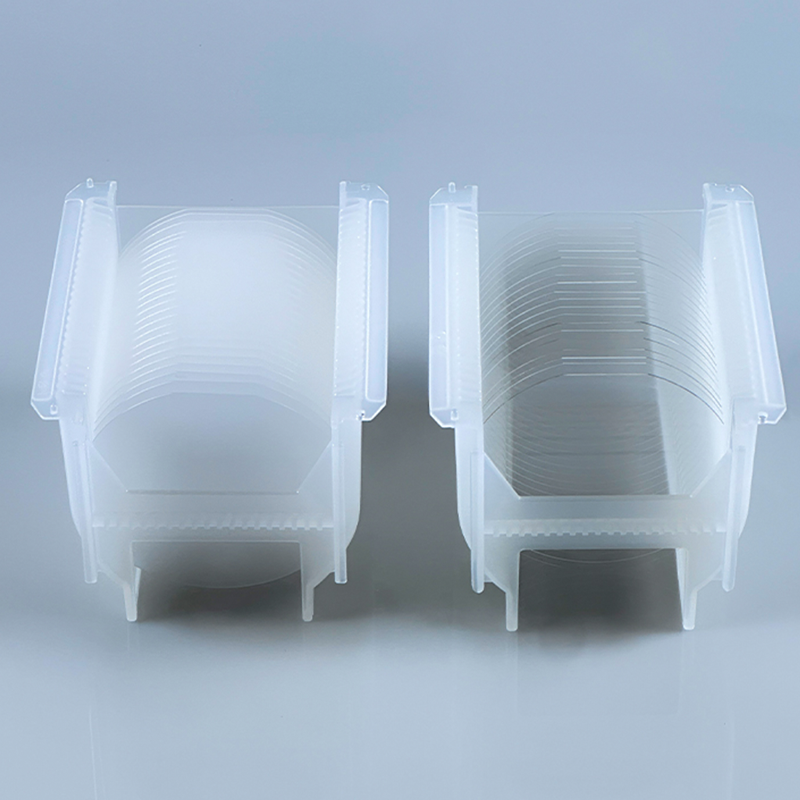
The traditional KY method uses a tungsten crucible. It melts the raw materials extremely stably and safely. The new KY method uses a graphite crucible instead. This effectively reduces production costs for general applications. You can see slight visual differences between the two crystals. Their color saturation will be slightly different. Experienced buyers can spot this difference without special equipment.
| Feature | Traditional KY Method | New KY Method |
| Crucible Material | Tungsten | Graphite |
| Target Market | High-end applications | General applications |
| Visual Appearance | Distinct color saturation | Different color saturation |
Why the Traditional Tungsten Crucible KY Method is Still the Best
The new KY method costs less. It is very suitable for general purposes. However, the traditional KY method is much better in all core metrics. It is absolutely the best choice for high-end and high-performance applications. There are three main reasons:
1. Ultimate Purity
The traditional KY method provides the purest crystal growth environment. The purity of the new KY method is acceptable. However, the graphite crucible leaves volatile residues. These tiny impurities will destroy the quality of the epitaxial layer. They will eventually severely reduce the electrical performance of the chip.
2. Extremely High Mechanical Stress Resistance
High-quality wafers must be very strong. Crystals made by the traditional KY method have extremely high mechanical strength. They can easily survive harsh high-temperature processing. By contrast, crystals produced by the new KY method have lower mechanical stress resistance.
3. Excellent Optical Transmission
The traditional production method has excellent light transmission. It performs perfectly in the UV and visible light bands. The new method has a slight spectral shift under UV light. This subtle shift has a huge impact on strict optical customers.
| Metric | Traditional KY | New KY | Impact on Epi Application |
| Purity | Highest Purity | High Purity (Volatiles Concern) | Affects electrical properties and Epi layer quality. |
| Mechanical Stress | High Resistance | Low Resistance | Determines wafer reliability during high heat processing. |
| Optical Transmission | Excellent UV and Visible | Good (Slight shift in UV) | Less critical for Epi, but crucial for strict optical customers. |
Your Trusted Quality Wafer Export Partner
We deeply understand the value of top materials to the global supply chain. We always use the best traditional KY method to ensure product quality.
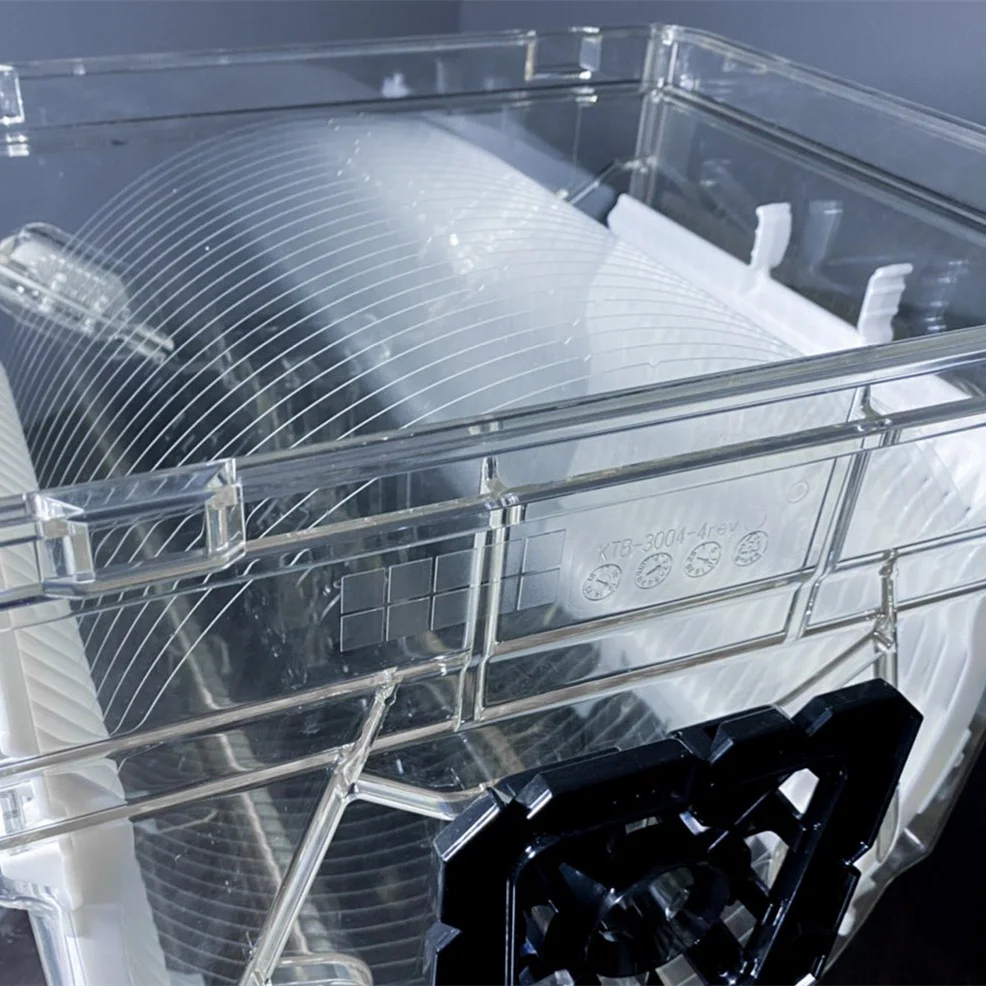
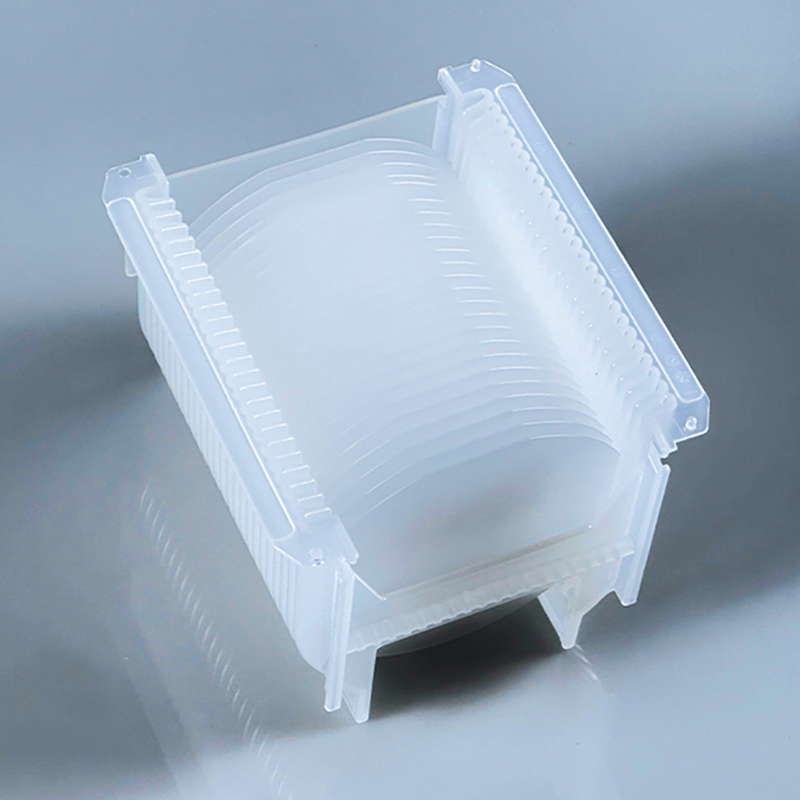
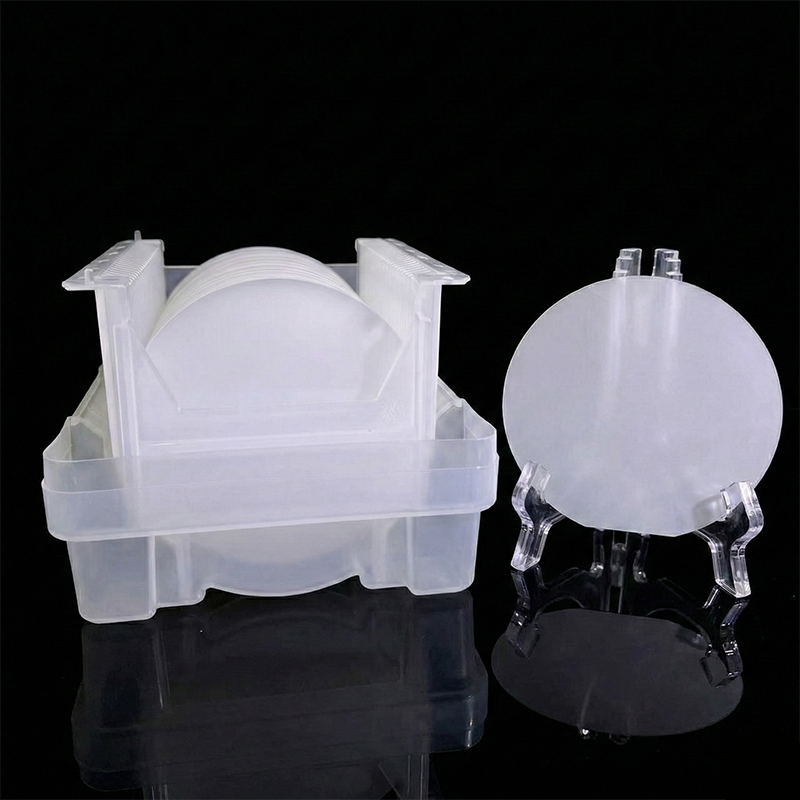
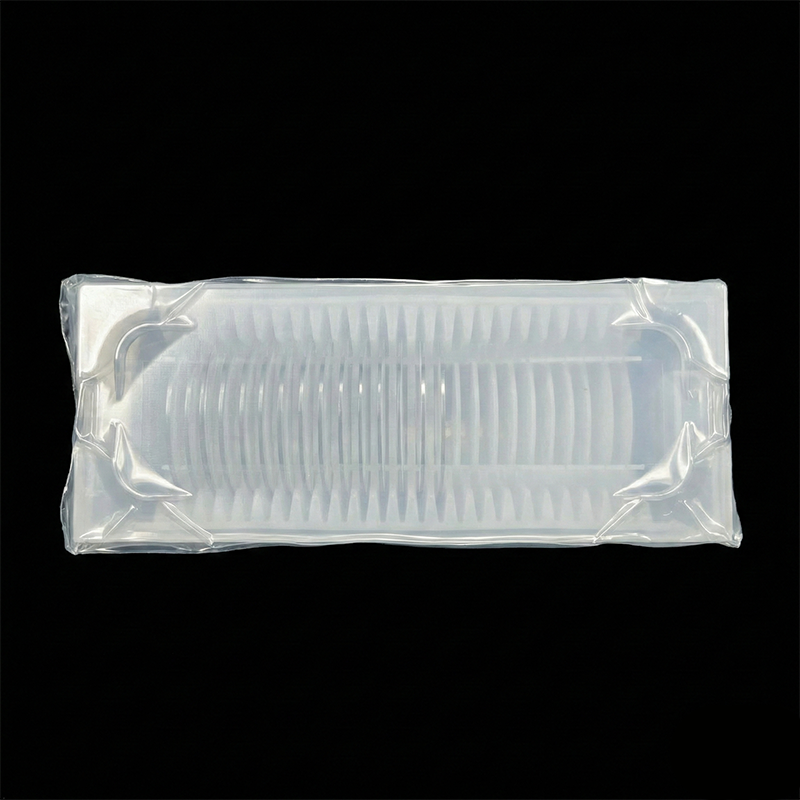
Explore sapphire wafers produced using traditional KY method: